


Three months left to make all buildings accessible
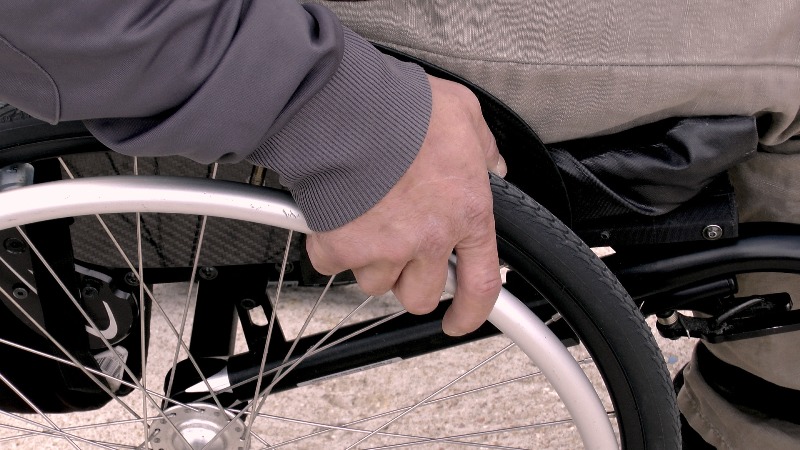
All State residents must have accessible buildings from December 4, 2017, as published on December 3, 2013 in the Official State Gazette, in relation to Legislative RD 1/2013, which recast the General Law on the Rights of Persons with Disabilities and their Social Inclusion. In the third additional provision, the deadline was set at December 4, 2017, for buildings and common areas of these buildings that were not accessible to be made accessible through reasonable adjustments and works.
In this way, in communities of owners throughout the State, of buildings already existing in December 2010, they have the obligation, before December 4, 2017, to adapt the building to the needs of any neighbor with a disability or older than 70 years, as long as the budget is within the limits. We are talking about works such as elevators, vertical lifts, platforms or ramps. It should be borne in mind that solutions such as climbing chairs, vertical lifts or climbing platforms are much cheaper solutions for the community, with costs that usually do not exceed 10,000 euros.
Little compared to the minimum 70,000 euros that the installation of an elevator can cost, which also involves a series of mandatory complementary elements that increase costs. From 04/12/2017, all buildings must be accessible Share on XAs a novelty, it is also worth highlighting the concept of universal accessibility incorporated in the standard, so that efforts must be made to adapt the buildings so that all users can access not only their homes, but all common areas (gardens, garages, etc.).
Thus, according to the RD, to elucidate whether a burden is proportionate or not, “the costs of the measure, the discriminatory effects that its non-adoption could represent, the structure and characteristics of the person or entity that must implement it and the possibility that those have of obtaining official financing or any other type of aid will be taken into account”.
.According to the regulations, “the burden is disproportionate when the cost of the works passed on annually, discounting the subsidies and public aid to which you may be entitled, exceeds 12 ordinary monthly installments of common expenses”.
In the event that these 12 monthly payments are exceeded, the neighbors must convene a meeting and decide if they want to pay more than the 12 mandatory monthly installments, with the option that it is the neighbors who have requested the works who pay the rest of the cost on their own.
On the other hand, accessibility works must always be in accordance with the regulations of the Technical Building Code (CTE), especially the Safety of Use and Accessibility Document (CTE-SUA) and the Fire Safety Document (CTE SI).
If you have any doubts about the adequacy of a building to the current accessibility regulations, or if you would like to ask any other questions on the matter, we encourage you to contact the Guild's advisors, who will try to answer your doubts with the utmost clarity.