


WASTE MANAGEMENT FAVORING ITS RECYCLING//RECOGNISED SEAL AND CIRCULAR ECONOMY
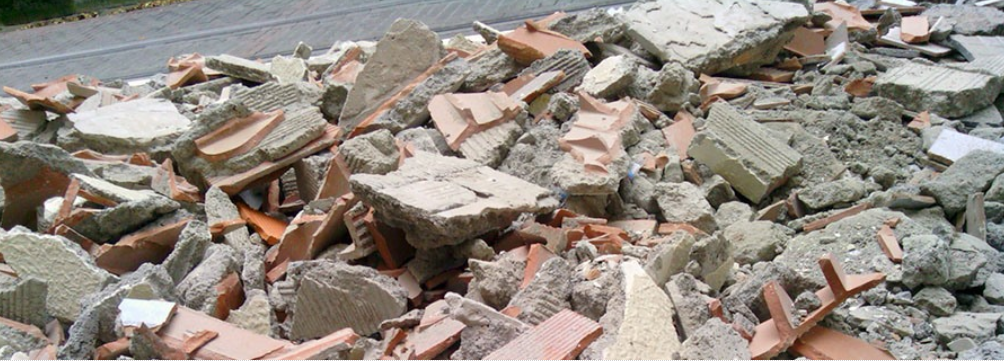
In the European Union, it is estimated that the construction sector is responsible for half of the consumption of energy and extracted materials, a quarter of the water consumed, as well as the generation of more than a quarter of the waste. That is why the Circular Economy in construction is one of the priority areas of both the Circular Spain 2030 Strategy and the New EU Action Plan for the Circular Economy (COM2020 98 final, one of the pillars of the European Green Deal). It is also expected that a large part of the European Union's Economic Recovery Funds will focus on boosting the circular economy in different areas, including construction.
This concept of Circular Economy is especially important in the building sector, because in it a large amount of resources are extracted, transformed, used and, when their useful life has ended, they are thrown away and therefore become large quantities of redius.
The recovery of these resources requires training; encouragement from the administration, companies, the market and citizens; innovative technologies; sustainable materials and tracability/guarantee. In this sense, with the recently released RECONS Environmental Quality Seal, construction companies demonstrate that they favor the recycling of construction waste through its correct treatment and traceability. Companies with Recons have qualified personnel to carry out activities related to environmental management, take care of the forecast of waste generated, the services to be contracted (waste management, transport,...) and the conditions of the works license; and they keep a record of the environmental aspects of the
activity.All these factors make it possible to facilitate the recycling of the materials of the works. Likewise, companies that seek sustainability and favor the circular economy, must take into account the following recommendations
:- Reuse existing products and use products and construction systems that allow future reuse.
- Ensure traceability throughout the waste management process, as well as the co-responsibility of the producer until the final treatment.
- Professionals are required to have sufficient training to apply a construction waste management protocol. There is a need to increase knowledge and training on the part of professionals.
- Design to facilitate maintenance, thinking about the physical, economic, functional, technological, social and legal obsolescence that will appear in the use or exploitation phase of a building. This entails integrating the vision of the life cycle and the overall cost of the building, providing, anticipating and assuming from the project phase the activities of use, operation, maintenance and deconstruction that the building will require and facilitating its realization.
These and other recommendations are becoming increasingly important in a world suffering from a climate crisis that worsens year by year, and where the market and the public sector are increasingly sensitive to issues related to sustainability.
We encourage you to train yourself and make progress in your company also in the sustainability of the waste from your works. You will gain market position, meet the demands for environmental responsibility increasingly demanded by legislation, the market and public administrations (also in matters of aid), and you will contribute to a better world and to reducing pollution of the planet
.